The CBT/DBT Center is now part of Therapy Should Work.

Call, text, or WhatsApp anytime! US 201-688-0722 IL 053-924-4894

The Therapy Should Work Training Institute

One year of post-master’s training for frum therapists

Learn what to treat.Learn how to think.Learn how to learn.

The founding cohort is in session. The next cohort starts Iyar 2027.

Join the list and you're invited to sit in on one guest lecture, live and free, as our guest.

Learn to understand what keeps your clients stuck, decide what to work on, and know what to do in the room. Practice with feedback so you can use what you learn with the clients you see.

One year of online training, live practice, and three supervised cases.

Want to see the approach in action? Watch the free webinar replay

  • 24 seats · 8 per track
  • 1 year · two semesters
  • 3 supervised cases
  • Tuesdays 1-3pm ET / 8-10pm Israel · Weekly supervision in semester 2

A 2½-minute look inside the training

Watch the clinical reasoning in action

What makes this client's thoughts so distressing? What does she do when they show up? Watch Dr. Chaya Lieba Kobernick connect the conversation to a plan for exposure.

Training role-play with Dr. Devora Perlow, edited for length. On-screen captions identify the clinical strategies as they are used.

This is the kind of reasoning you will practice at the Institute: clarifying the problem, understanding the pattern, and choosing what to do next.

The year at a glance

Can this fit my life?

Your weekly schedule

Tuesdays, 8-10 p.m. Israel

Usually 1-3 p.m. Eastern. Online, for one year, with a Pesach break.

  • Semester 1: 6-8 hours total per week, including class.
  • Semester 2: 8-12 hours total, including class, clinic cases, and supervision.
  • Weekly supervision in semester 2: PMT on Sundays; ERP and CPT on Wednesdays, 8-10 p.m. Israel / 1-3 p.m. Eastern.

Live classes are not recorded. Attend at least 85% each semester, which allows up to 3 missed Tuesdays with a makeup. Recorded lessons fit around your schedule.

See the full schedule

Your tuition

$525/month for 12 months

This is founding cohort pricing. Iyar 2027 tuition will be higher, announced with the dates.

A $100 enrollment deposit is credited toward tuition. Total for the year: $6,400.

  • Monthly: $100 deposit at enrollment, plus 12 payments of $525.
  • By semester: $100 deposit at enrollment, plus two payments of $3,150.

Enroll with a colleague: each save $400 for the year.

This is a yearlong program. Monthly payments spread the cost of enrollment across the year.

See everything included & refund terms

Included in that tuition

Both semesters and one clinical track. Recorded teaching, live practice, assignments returned with feedback, three clinic cases with clients and intakes provided, weekly group supervision in Semester 2, competency assessment, TherapyWorks (our new progress monitoring platform), and both summit toolkits.

A path into practice: certificate holders seeking employment receive interviews with Therapy Should Work and every hiring partner, a track-director recommendation, and Dr. Kobernick’s personal introduction. See the full hiring pathway and partners

Got a question? Talk it through with Dr. Kobernick before you apply.

From the founding cohort

Why they enrolled

In their own words, from therapists already enrolled for October 6, from newer clinicians to group practice owners.

  • “At this point in my career, as a group practice owner, I’m interested in honing my case formulation skills and ensuring that the treatment approaches I use with my clients are being implemented with fidelity and with the highest level of clinical competence.”

    Suri, LCSW · Founding cohort

  • “I pay for many classes and supervision programs and often find that I get scattered bits of useful information on random methodology. I'm hoping to solidify my efforts this year by focusing them on one all inclusive program.”

    Miriam, LPC · Founding cohort

  • “So I was looking for a training that would help me fill in these gaps, help me move forward in my career. I also liked that it’s a full year, as many trainings are a couple of days that are jam packed, not enough time to get good supervision and personal hand holding.”

    Sara, MSW · Founding cohort

  • “I decided to join the training institute so I can learn how to conceptualize cases, form a targeted treatment plan and get hands on practice and feedback to make me a more effective therapist.”

    Lauren, LCSW-C · Founding cohort

The people behind your training

Learn with clinicians who look closely at the work

“I have gained a comprehensive behavioral lens through which I am able to clearly conceptualize cases and build targeted treatment plans.”
Chaya Taub, Clinician, Therapy Should Work

From her experience training at Therapy Should Work, whose training model informs the Institute.

Read the full clinician testimonials
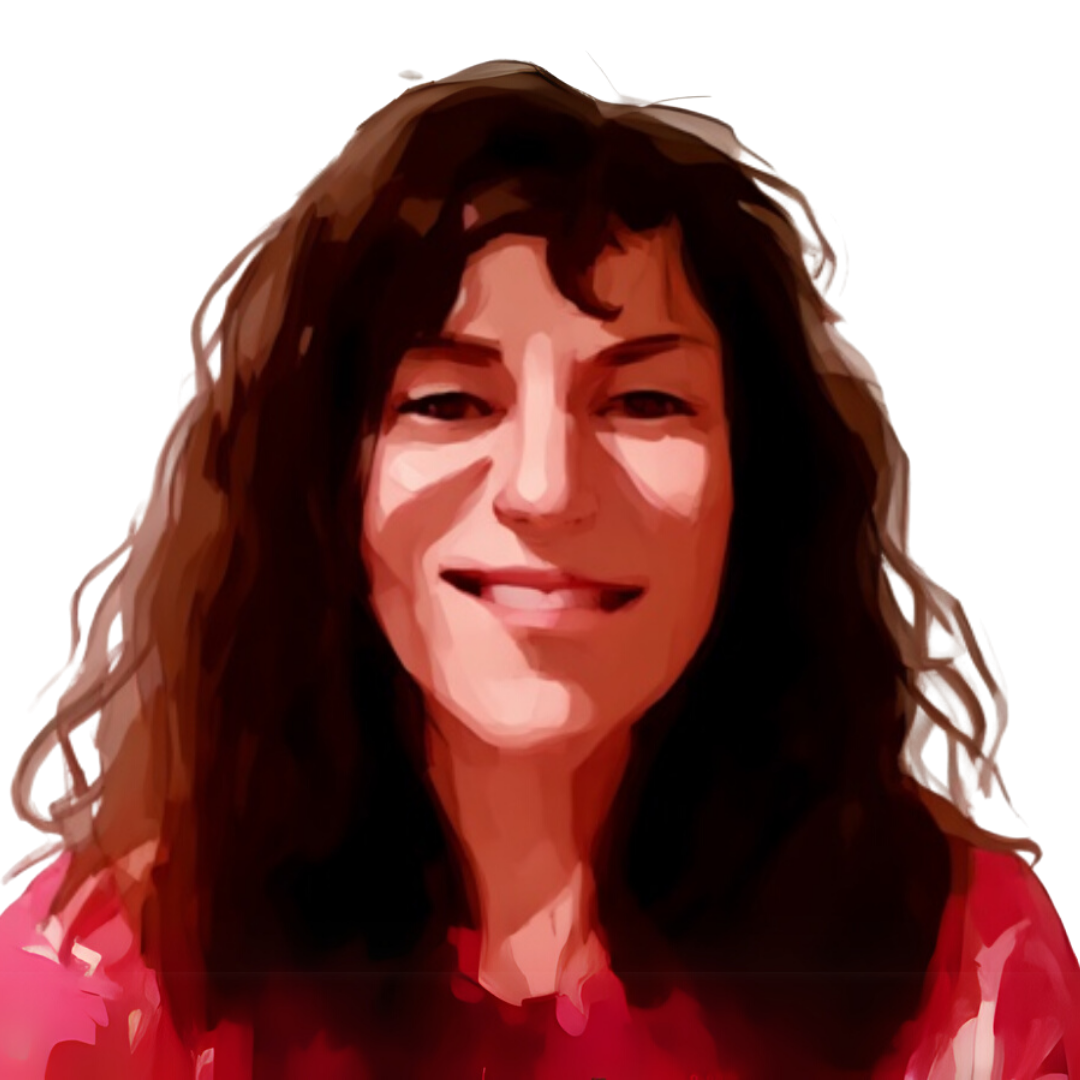
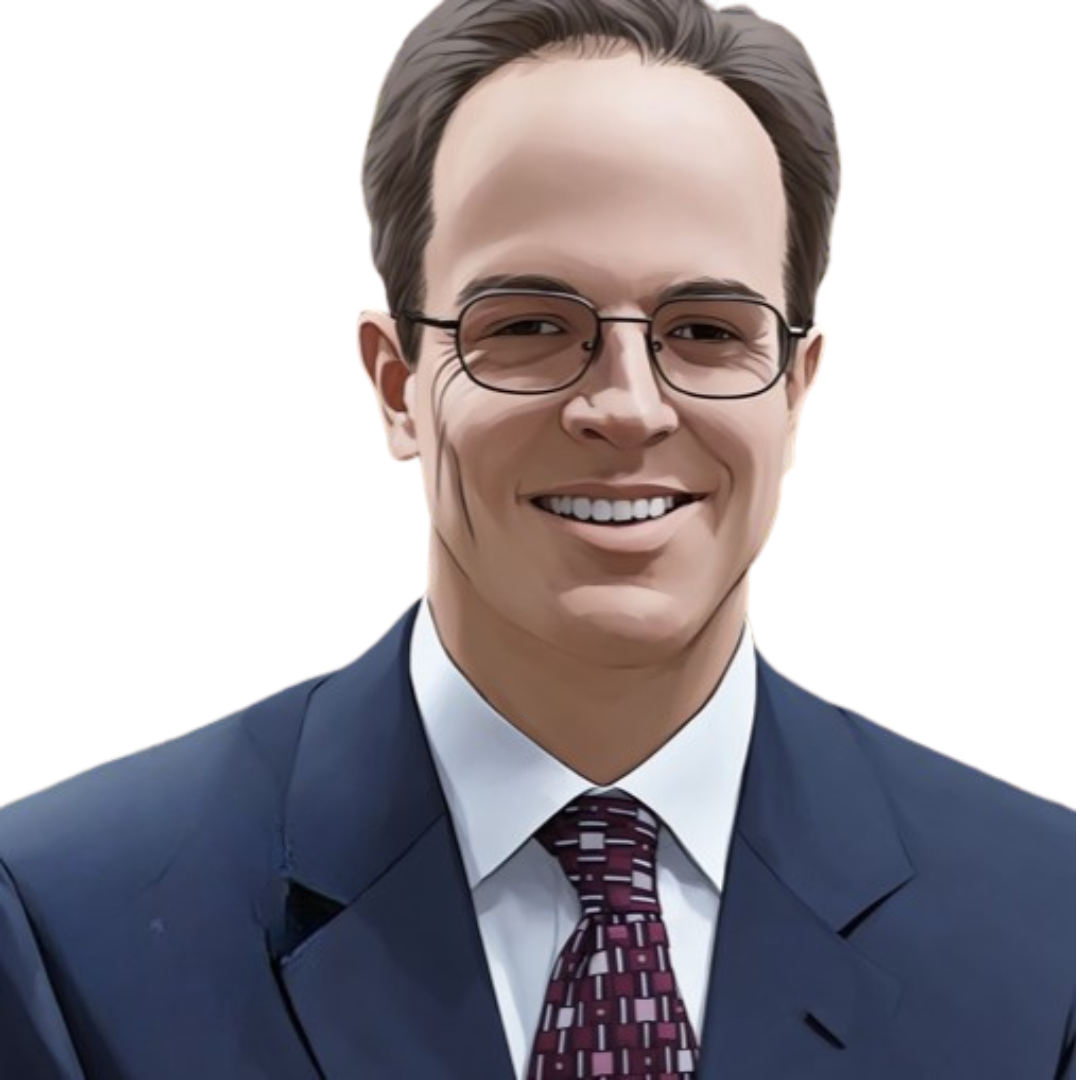
Illustrated portrait of Dr. Chaya Lieba Kobernick

Dr. Chaya Lieba Kobernick

Founder and clinical psychologist. Founder of Therapy Should Work and a DBT-C trainer, with training in DBT and PTSD treatment.

Read why she built the Institute
Track directors

ERP: Devora Perlow, PsyD
PMT: Rachel Berger, PhD
CPT: Jacob Schrier, PsyD

Meet the supervisors
Guest faculty

Jonathan Grayson, Jacqueline Persons, William Miller, Elna Yadin, Dean McKay, Patricia Resick, and Debra Kaysen.

Meet the guest faculty
Advisory board

Jacqueline B. Persons, PhD
Elna Yadin, PhD
Dean McKay, PhD, ABPP

Meet the advisory board

What the Institute teaches

Learn how to think. Learn how to learn. Learn how to adapt.

You can learn ERP from the best OCD centers in the world and CPT from the people who developed it. What is hard to find is training in the judgment underneath: which treatment, for which client, and how to make it work here. The whole year is built around three competencies, and every treatment we teach is taught through them.

Clinical reasoning

Learn how to think

Assess carefully. Conceptualize what is maintaining the problem. Learn to tell apart presentations that look almost identical on the surface. Choose interventions for a reason, track whether treatment is working, and know when your formulation needs to change.

We want therapists who don't only ask, “What technique can I use here?” We want them asking, “What is happening here, and therefore what does this client need?”

Deliberate learning

Learn how to learn

We're not just teaching you treatments. We're teaching you how to learn treatments.

You will never know every treatment every future client may need, and that is not the goal. The goal is to recognize the limits of what you know, find the right evidence-based approach, learn it competently, get consultation, practice deliberately, and integrate it well. That is what keeps a clinician getting stronger for a whole career, instead of collecting disconnected certifications.

The goal isn't to graduate knowing every treatment. It's to become the kind of clinician who can figure out what this client needs, and get good at delivering it.

Frum clinical practice

Learn how to adapt

How do you adapt evidence-based treatment without adapting away the part that makes it work?

Treatments studied in one population do not transfer seamlessly into another. Language matters. Family structure, community, values, and religious practice matter. Expectations around marriage, parenting, technology, authority, and daily life matter.

Good treatment sometimes requires adaptation, and not every adaptation is harmless.

Evidence-based treatment. Built for frum clinical practice.

A clinician can make a treatment feel more culturally congruent, more comfortable, and in the process remove the mechanism that was supposed to produce the change. So all year, with every treatment we teach, we ask the same three questions: What is the essential mechanism here? What can we change? What must we preserve? And underneath them, the question the Institute exists to answer: what does excellent evidence-based treatment look like in the frum community?

Cultural adaptation is not an afterthought here, and it is not one lecture on cultural sensitivity. It is part of how we learn to think about treatment from the beginning.

It is also a competency you will not find in even the best mainstream trainings, because they were never built for this community.

The promise

A year from now

  • You can take "I'm anxious all the time" or "she's so manipulative" and break it into behavior you can actually treat.
  • You can run a functional analysis out loud, in session.
  • You can write a formulation that names what started it, what set it off, and what is holding it in place right now, and build the treatment on the last one, because that's the one you can change.
  • You can learn a treatment model and decide whether the person sitting in front of you is an appropriate fit for it.
  • You can hold an agenda and catch a session in the first minute it starts drifting.
  • You know when to validate, when to push, when to get behavioral and when to be irreverent, because you know what the moment needs, not just what you tend to say.
  • You know your psychodiagnostics well enough to stop treating OCD as generalized anxiety and to stop calling an emotionally sensitive teenager a personality disorder.
  • You measure. Every week. You know whether your treatment is working instead of hoping it is.
  • You've treated three cases start to finish with a real protocol, with someone senior overseeing your progress.
  • You can answer "how long will this take and what are we doing" without flinching.

Your career

What this does for your career

You'll have a niche
One protocol you actually own, three finished cases, and outcome data to show for it. Clear evidence of your training helps colleagues and employers understand the work you can do.
You'll have foundations
Case formulation, measurement, real supervision. Every modality you train in after this comes easier, because you'll have the base they all assume.
You'll be easier to hire
A practice or agency can see exactly what you were trained on, supervised on, and measured against. Few resumes in this field can say that.

Hiring

This is where we hire from

Therapy Should Work hires masters-level clinicians, and this is the training we look for. Graduates of this program go to the top of our list, because they have carried supervised cases, been measured on real outcomes, and learned one protocol properly instead of collecting workshops.

That is a very short list of therapists in this community. We intend to keep hiring from it.

Curriculum

What you will learn

Semester 1: Foundations

October-April. Recorded lessons, Tuesday live practice, and weekly assignments returned with feedback. Plan for 6 to 8 hours a week.

Semester 2: Track and clinic

May to September 2027. Learn a treatment in depth, continue Tuesday learning, and treat three clinic cases with weekly group supervision. Plan for 8 to 12 hours a week.

What's inside

Tap a part to see its modules.

Semester 1 · Foundations

Part 1 The model 3 modules
  • What therapy is: the treatment cycle
  • The map of psychotherapy
  • Why evidence-based practice
Part 2 Assessment 4 modules
  • Seeing behavior precisely
  • The intake
  • Safety and risk assessment
  • Diagnosis and medication
Part 3 Case formulation 4 modules
  • How behavior is learned and kept alive
  • Functional analysis
  • Building the case formulation
  • From formulation to treatment plan
Part 4 Intervention 7 modules
  • Structuring the session and the treatment
  • Choosing the intervention
  • Action 1: contingencies, activation, skills
  • Action 2: exposure
  • Cognitive interventions
  • Emotion interventions
  • The environment: parents, families, schools
Part 5 Sustain and close the loop 2 modules
  • Making change last
  • Progress monitoring: closing the loop

Semester 1 ends with the competence gate.

Semester 2

Tracks Your track ERP, CPT or PMT

You choose one: ERP for OCD, CPT for PTSD, or PMT for childhood disorders.

  • Learning your protocol
  • Using supervision well
  • Three supervised clinic cases
  • Weekly group supervision

The foundations you will practice

  • Start therapy well: provide an orientation, agree on goals, and explain how you will work together.
  • Assess and understand: diagnosis, risk, behavior, learning, and what maintains a client’s specific problem.
  • Build a shared case formulation: turn assessment into a clear explanation and a treatment plan.
  • Work effectively in the room: William R. Miller and Theresa B. Moyers’ eight strategies: accurate empathy, acceptance, positive regard, genuineness, focus, hope, evocation, and offering information and advice.
  • Practice flexibility within fidelity: adapt treatment to the client and frum community while preserving its essential elements.
  • Review progress: use measures, client feedback, and supervision to guide treatment.

Choose your clinical track

Eight trainees per track. The full year builds broad clinical reasoning and supervised experience in your chosen treatment.

  • CPTCognitive Processing Therapy for PTSD
  • ERPExposure and Response Prevention for OCD
  • PMTParent Management Training for behavioral challenges in children

Join the list and you're invited to sit in on one guest lecture, live and free.

The difference

Real clients. Real progress.

This is the reason the program is a year and not a weekend.

A licensed psychologist does every intake. You'll be helping real people with a real protocol that we've already determined is a reasonable fit for their struggles.

Weekly group supervision, two hours, with your trackmates and the psychologist directing your track.

Measures go out every week and your director reads the data between sessions, so drift gets caught while there's still time to fix it.

Sessions are recorded and reviewed. That is the point. It is also the part everyone is nervous about and the part everyone says afterward was worth it.

Clinic sessions are offered to the community at a low set fee, so the cases are real and people can afford them. Clinic cases are unpaid for trainees.

Three completed cases and passing the competency requirements earn the certificate. If a client drops out, that's not held against you; we assign a replacement, and you may need a little past Elul to finish. Finishing Semester 1 alone earns a letter of completion.

Who directs your track

In Semester 1, your track directors lead Tuesday lives, running role plays and supporting your progress. In Semester 2, your director does your intakes, leads your weekly group supervision, and reviews your progress data, and is available to you individually as needed.

  • OCD / ERP track

    Devora Perlow, PsyD

    Trained at the Bio Behavioral Institute with a specialization in OCD and related disorders using Exposure and Response Prevention. Treats children, adolescents, and adults at Therapy Should Work.

    Semester 2 group supervision: Wednesdays, 1-3pm ET / 8-10pm Israel.

  • Parent Management Training track

    Rachel Berger, PhD

    Trained in Parent-Child Interaction Therapy, Parent Management Training, and DBT for children, and in child neuropsychological assessment at Weill Cornell and SUNY Downstate. Treats children, adolescents, and adults at Therapy Should Work and offers neuropsychological evaluations.

    Semester 2 group supervision: Sundays, 1-3pm ET / 8-10pm Israel.

  • PTSD / CPT track

    Jacob Schrier, PsyD

    Trained in Cognitive Processing Therapy, Prolonged Exposure, and Written Exposure Therapy for PTSD at the VA New Jersey Health Care System, where he completed his internship and postdoctoral residency and supervised psychology interns and externs. Teaches at Kean University, where he earned his PsyD in School and Clinical Psychology.

    Semester 2 group supervision: Wednesdays, 1-3pm ET / 8-10pm Israel.

The pathway

After the certificate

Our goal is for you to become an excellent clinician. Excellent clinicians need a place to work. So once you graduate, we do everything we can to help you land in the place that is right for you, whether that is your own practice or someone else's.

If you want your own practice

The Graduate Space

Private practice is easier with people around you. The Graduate Space is where the cohort continues after graduation:

  • A clinical consultation team: graduates of the program meeting every month to think through cases together
  • Ongoing business mentoring, starting with a business session every month
  • Every future guest lecture
  • First access and alumni pricing on future tracks
  • Full access to TherapyWorks, our new progress monitoring platform, at no extra charge

You are also listed in the Therapy Should Work Certified directory, a public page on this site, with a badge for your signature line and your website. When Therapy Should Work has more client inquiries than it can take, it sends them to the directory. The founding cohort are the first names on it.

The Graduate Space is $100 a month. The founding cohort has free access through Elul 2028, then optional membership at $50 a month for life.

If you want to be hired

The hire pathway

If a clinic or group practice fits your life better, you won't be job hunting cold.

Every certificate holder who wants to be hired gets an interview with the Therapy Should Work hiring team and with every hiring partner. We send a letter of recommendation from your track director with your coded adherence scores, completed cases and outcomes, and Dr. Kobernick introduces you personally.

We don't place you. We vouch for you, with data.

You can join the Graduate Space too, for the consultation team, the guest lectures and everything else in it.

Clinics and group practices that want to partner with us can email info@therapyshouldwork.com.

Hiring partners

These medical centers, clinics and group practices have agreed to interview every graduate of the program.

  • Ezra Medical Center
  • Hearts & Minds Psychotherapy Group
  • Blue Anchor Psychology

All graduates who pass competency remain in our graduate directory, whether or not they join the Graduate Space. Active Graduate Space membership will be noted to show ongoing consultation with the Institute.

Our commitment goes past the certificate. We want you to be an excellent clinician with an excellent job, in a place that makes you happy and fits your lifestyle.

Alumni get first access to every new track, including DBT and DBT-C when they open, with a 14-day window before the public and 20% off the regular rate.

Tuition

Founding cohort tuition

$525/month

For 12 months, plus a $100 credited enrollment deposit.
$6,400 total for the year. Iyar 2027 tuition will be higher, announced with the dates.

Includes both semesters, one clinical track, recorded lessons and materials, live teaching and practice, monthly guest lectures, assignments returned with feedback, three clinic cases with clients and intakes provided, about 40 hours of group supervision with your track director in Semester 2, competency assessment, TherapyWorks during the program, and both summit toolkits.

Pay monthly

12 monthly payments of $525, plus a $100 deposit when you enroll. Total: $6,400 for the year. Enrollment is for the full year; monthly payments spread that commitment across the year.

Pay by semester

$3,150 when you enroll and $3,150 six months later, plus a $100 enrollment deposit. Total: $6,400 for the year.

Enroll with a colleague: Each of you receives $200 off per semester, or $400 for the year. Both Therapy Should Work summit toolkits are included when you enroll.

The founding cohort is full and in session. The next cohort starts Iyar 2027. Join the list to hear the dates and tuition first.

Try the first week before you decide for good. If the program isn't for you, you can ask for a refund by Thursday, October 15, 2026, as long as you have done everything the first week requires: attended the first live class on October 6, joined the cohort forum and introduced yourself, watched the first recorded lesson, and completed the first required readings. We refund the tuition you have paid, minus the $100 deposit. After October 15, the current semester’s tuition is nonrefundable.

Join the list and you're invited to sit in on one guest lecture, live and free.

Founding cohort

Only the founding cohort gets this

  • The founding price. It never repeats.
  • Founding Cohort on your certificate and your badge. 24 people, ever.
  • The Graduate Space, free through Elul 2028, then optional membership at $50 a month for life.
  • The first names on the directory.
  • First access to every track we open next.
  • The smallest, highest-touch cohort we will ever run. 8 seats per track.

The founding cohort is full. The next cohort starts Iyar 2027, at a higher tuition.

Enrollment also unlocks both Therapy Should Work Summit toolkits the day you pay: more than 55 recorded interviews and panels with the leading researchers in evidence-based treatment. You start learning the day you enroll, not in October.

Schedule

A year of training, with room for life

October 2026-September 2027, with a Pesach break.

Tuesday live classes

8-10 p.m. Israel · usually 1-3 p.m. Eastern

Live practice and monthly guest sessions share the Tuesday slot. Complete recorded lessons on your own schedule.

Live classes are not recorded. Attend at least 85% each semester: up to 3 missed Tuesdays, each with a makeup.

Weekly supervision in semester 2

May-September 2027

Sundays for PMT; Wednesdays for ERP and CPT.
8-10 p.m. Israel · 1-3 p.m. Eastern.

Work through your clinic cases with your track director and a small group of peers.

Full dates, holiday breaks & attendance

Live classes: October 6, 2026-April 6, 2027, then May 11-September 21, 2027. Some sessions last one hour; reserve the full two-hour slot.

Supervision: PMT meets Sundays, May 9-September 19. ERP and CPT meet Wednesdays, May 12-September 22.

Calendar notes: No class March 23 for Purim. There is class August 10. Pesach break runs April 8-May 7. On October 27 and March 16, Tuesday class is 2-4 p.m. Eastern because Israel and the U.S. change clocks on different dates.

Attendance: Attend at least 85% of required live classes each semester, rounded up (23 of 26 in Semester 1). Missed practice requires an approved makeup. You may miss up to two group supervision sessions, with an approved check-in or makeup for each.

Read the full prospectus

Before you apply

Is this the training you want?

  • You have completed a clinical master’s degree that enables you to practice therapy: MSW, MFT, MHC, or equivalent.
  • You want to build assessment, case formulation, treatment planning, and flexible use of evidence-based treatment.
  • You can plan for 6 to 8 hours a week in Semester 1 and 8 to 12 in Semester 2.
  • You are willing to practice, record clinical work, receive feedback, and complete unpaid supervised clinic cases.
  • You can be live for at least 85% of Tuesday classes each semester (up to 3 misses, each with a makeup).
  • Your license, location, and eligibility for clinic work will be reviewed before placement.
  • You understand this program does not currently provide CE credit.

This founding cohort is not for current master’s students, doctoral-level clinicians, or psychology doctoral students. You do not need a current caseload.

Already an effective therapist? Many in this cohort are. They come to sharpen their case formulation, check their work against the evidence, and learn one protocol to fidelity. Book the 15-minute call and we will work out together whether this year fits what you need next.

The competence guarantee

We will work with you until competence

If you do the work and don't pass a competence gate, we keep working with you until you do, at no extra charge.

If a skill needs more work

You receive written feedback, a focused practice plan, and reassessment. For the first competency assessment, submit a second sample within four weeks. If you are still not ready, move to the next available Semester 2 track without paying tuition again.

If your cases need more time

You have three months after Elul to finish active clinical cases, including supervision and TherapyWorks, at no extra cost. After that, active case completion costs $250 per month. Institute case-placement delays do not use up your free completion window.

These are separate paths: skill remediation helps you meet the required standard; a case-completion extension gives you time to finish clinical work. Your written plan will make the next steps clear.

Guest faculty

Learn live from the people who built the field

During one regular Tuesday class each month, the cohort meets a leading voice in evidence-based treatment: the researchers and clinicians whose work the rest of the program is built on. A few of the guest faculty joining the founding cohort:

  • Dr. Jonathan B. Grayson

    Director, The Grayson LA Treatment Center for Anxiety & OCD · Adjunct Clinical Assistant Professor of Psychiatry and the Behavioral Sciences, University of Southern California

    More than forty years treating OCD with exposure and response prevention. Author of Freedom from Obsessive Compulsive Disorder, founder of the country’s first OCD support group in 1981, and recipient of the International OCD Foundation’s Lifetime Achievement Award.

  • Dr. Jacqueline B. Persons

    Director, Oakland Cognitive Behavior Therapy Center · Clinical Professor, University of California, Berkeley

    Past president of the Association for Behavioral and Cognitive Therapies and author of The Case Formulation Approach to Cognitive-Behavior Therapy, the standard text on deciding what to treat, and in what order, when a client doesn’t fit one protocol.

  • Dr. William R. Miller

    Emeritus Distinguished Professor of Psychology and Psychiatry, University of New Mexico

    Originator of Motivational Interviewing and author of more than 60 books; named by the Institute for Scientific Information among the world’s most highly cited scientists.

  • Dr. Elna Yadin

    Former Director, OCD Clinic, Center for the Treatment and Study of Anxiety, University of Pennsylvania

    Co-author with Dr. Edna Foa of the Oxford Treatments That Work manuals for Exposure and Response (Ritual) Prevention, the protocol that defines gold-standard OCD treatment worldwide.

  • Dr. Dean McKay

    Professor of Psychology, Fordham University

    Past president of the Association for Behavioral and Cognitive Therapies, board certified in both Clinical and Behavioral & Cognitive Psychology, and one of the field’s clearest voices on telling treatments that work from treatments that don’t.

  • Dr. Patricia A. Resick

    Professor Emeritus of Psychiatry and Behavioral Sciences, Duke University School of Medicine

    Developer of Cognitive Processing Therapy, one of the most rigorously tested treatments for PTSD in the world, and author of the CPT therapist manual. She will speak to the cohort on what goes wrong when newly trained therapists carry the protocol into real cases.

  • Dr. Debra Kaysen

    Professor and Chief, Division of Public Mental Health and Population Sciences, Stanford University School of Medicine

    A leading researcher on trauma treatment and on how evidence-based care actually reaches the people who need it, including work delivering treatment in communities with little access to trained clinicians.

See the guest lecture dates

Advisory Board

Guided by the top of the field

The Institute's curriculum and standards are shaped by the researchers who built evidence-based practice.

  • Dr. Jacqueline B. Persons

    Jacqueline B. Persons, PhD

    Director, Oakland Cognitive Behavior Therapy Center, Clinical Professor, University of California, Berkeley

    Past president of the Association for Behavioral and Cognitive Therapies and the Society for a Science of Clinical Psychology, and a Distinguished Founding Fellow of the Academy of Cognitive Therapy. Her work focuses on case formulation: understanding what causes and maintains a client’s problems and using that understanding to guide treatment. She has authored three books and more than 70 articles and chapters, and studies how CBT produces change in routine clinical practice and how therapists adopt evidence-based methods.

  • Dr. Elna Yadin

    Elna Yadin, PhD

    Former Director, OCD Clinic, Center for the Treatment and Study of Anxiety, University of Pennsylvania

    Her career began with two decades of research on the brain mechanisms of anxiety and relief before she specialized in clinical psychology. She co-authored the therapist guide and patient workbook for Exposure and Response (Ritual) Prevention for OCD with Edna Foa and Tracey Lichner, and trains and supervises clinicians internationally in evidence-based treatments for OCD and PTSD, including ERP and Prolonged Exposure.

  • Dr. Dean McKay

    Dean McKay, PhD, ABPP

    Professor of Psychology, Fordham University

    Past president of the Association for Behavioral and Cognitive Therapies and the Society for a Science of Clinical Psychology, and board certified in Clinical and Cognitive-Behavioral Psychology. His research focuses on OCD and anxiety, including how symptoms are maintained and how treatment can be improved. He has published more than 300 articles and book chapters, and examines why unsupported therapies gain traction and how clinicians can recognize and avoid potentially harmful treatments.

Why this Institute exists

A point of view, and the training to put it into practice

Read Dr. Kobernick’s letter and the thinking behind the program.

Why I built this: a letter from Dr. Kobernick

Why I built this

From Dr. Chaya Lieba Kobernick

I kept trying to have this conversation one on one with therapists and getting nowhere, because the conversation kept getting heard as my personal opinion instead of as an entire body of science being left out of a healthcare service. So I stopped arguing and started building. The Therapy Should Work Summit was my attempt to reach consumers. This training institute is my attempt to reach the therapists who know something is missing, and to build the bridge.

I don't want you to take my word for any of it. I want you to be able to read the research yourself, understand what a treatment is actually doing, and decide for your own client whether it fits. That's what this program is for. Semester one makes you a real consumer of the science. Semester two makes you a provider of it.

The frum community should be able to expect that therapy treats mental health problems. Right now the expectation is that you go to therapy to support you in your mental illness. I want "she trained at the Therapy Should Work Institute" to be the thing that tells a person struggling that this one is different.
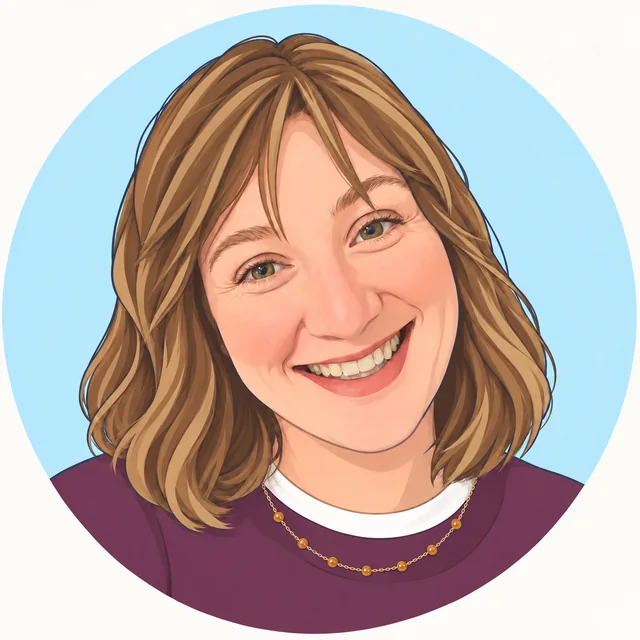
Illustrated portrait of Dr. Chaya Lieba Kobernick
Dr. Chaya Lieba KobernickFounder, The Therapy Should Work Training Institute

Dr. Kobernick is a licensed clinical psychologist (NY, NJ, MD, FL, AZ, Israel). She earned her doctorate at Long Island University-Post, completing her dissertation under the guidance of Dr. Jill Rathus, co-developer of DBT for adolescents, and trained at New York Presbyterian Hospital's personality disorders unit, at Northwell Health's Behavioral Health College Partnership DBT-track, and at Rutgers University, where she specialized in PTSD treatment. She was mentored by Dr. Francheska Perepletchikova, developer of DBT for children, and is a DBT-C trainer. She founded Therapy Should Work, a group practice serving the frum community from offices in Israel, New York and New Jersey.


The Institute has a point of view

Orientation

The Institute has a point of view

Dr. Chaya Lieba Kobernick is a behavioral therapist with a strong mindfulness influence, and that lens shapes the Institute. We care about clear assessment, thoughtful case conceptualization, and understanding what is maintaining a problem. We care about choosing interventions for a reason, knowing what the evidence says, measuring whether treatment is working, and changing course when it isn't.

You do not need to be a behavioral therapist to belong here. A psychodynamic therapist can leave this program a much stronger psychodynamic therapist.

The Institute isn't designed to turn every clinician into the same kind of therapist. It's designed to teach you how to think like an excellent clinician: how to assess what is happening, identify what a client needs, choose an approach instead of defaulting to the one you already know, learn a new treatment well, integrate it into the clinician you already are, and know when to follow a protocol, when to flex, when to consult, and when to refer. And how to keep getting better long after the program ends.

You will never know every intervention your clients might need. Our goal is to make you the kind of clinician who knows what to do about that.

Why assessment comes first

The thesis

“Many, if not most, therapeutic errors are assessment errors.”

Marsha Linehan

Good therapy isn't knowing a lot of interventions. It's knowing what problem you're treating.

Two clients can walk into your office saying nearly identical things and need completely different treatment. The hard part of therapy is not having an intervention available. It is knowing what is happening, what is maintaining it, and what response is most likely to help.

That takes assessment, case conceptualization, the discrimination to tell similar presentations apart, treatment selection, and the willingness to notice when your first formulation was wrong.

That is the kind of clinical judgment we build inside the Institute.

Does any of this sound familiar?

The problem

Does any of this sound familiar?

You can care deeply about your clients and still recognize yourself here.

  • You have a client you've been seeing for two years, and you'd have a hard time naming, in one sentence, what the treatment has been.
  • You've looked something up between sessions and hoped it was the right call.
  • A mother asks how long this is going to take, and you wish you had a real answer to give her.
  • You've come home from a two-day workshop with a binder you were never quite sure what to do with.
  • You've wanted to ask a colleague something basic and didn't, because of how it would sound.
  • A client got better and you're not sure why, which means you can't be sure you could do it again on purpose.

Not one item on that list is a character flaw. These are clinical skills that can be taught, practiced, and strengthened with feedback.

The training our work deserves

The reframe

You were told the degree was a piece of paper. You were told wrong.

Medicine doesn't hand people a caseload and hope they're gifted. Good hands help a surgeon; nobody consents to surgery because of them. Doctors are trained in assessment, in diagnostics, in procedures with a known mechanism and a known population, and that is the whole basis for turning to them with a medical need.

Talent is a bonus. Method is the credential.

Mental illness is real illness. It causes real suffering, in real people, in our community, right now. It has treatments that have been tested, replicated and measured, and it has clinicians who know how to deliver them. But somewhere between the research and the therapist's office, the science stops. Programs teach relationship and leave out mechanism. Workshops sell techniques and skip foundational skills. And the field has unintentionally agreed that this is fine.

It isn't fine, and you already knew that, which is why you're still reading.

Proof

What clinicians trained this way say

The Institute teaches the same model our own clinicians train under at Therapy Should Work.

  • "I cannot overstate the amount I have learned. I have gained a comprehensive behavioral lens through which I am able to clearly conceptualize cases and build targeted treatment plans. My understanding of evidence-based practices and how to apply them effectively has grown tremendously. There is always more to learn, but these foundations are essential, and they have helped me become a confident and competent clinician."

    Chaya Taub · Clinician, Therapy Should Work

  • "In training I kept trying to figure out what therapy actually was. Is it just being there? Listening and validating? I asked therapist after therapist and couldn't get a clear answer from any of them. I doubted the therapy was working, and I was told to trust the process, without anyone able to tell me what process was supposed to be happening. I understand why new therapists grab the first model that hands them a structure and a road map. That is how starved we all are for one. What I needed was to learn what is actually supposed to happen in the room, and how to know whether it's working."

    Nechama Quinn · Clinician, Therapy Should Work

  • "I was once talking to a social worker who said, 'I've been in the field for a number of years and still haven't gotten an answer to a basic question: What is therapy?' I understood exactly what she meant. In a two-year master's program, you learn the framework of therapy, but not necessarily how to treat specific problems. At Therapy Should Work, I learned the answer to that question. I was taught evidence-based treatment modalities and interventions, learned the mechanisms of change behind them, and then learned how to apply them with real clients through intensive supervision and a supportive clinical team."

    Gittie Sobolofsky · Clinician, Therapy Should Work

  • "While my graduate program provided a solid theoretical foundation, this training was a game-changer. Through intensive supervision, live feedback, and hands-on training, I learned how to actively apply CBT and DBT in session. Several of my classmates even commented on how much practical clinical skill I gained from the experience. I feel so much more confident and prepared as a therapist. I honestly can't imagine starting my career without this training. I'm really grateful for my time here."

    Brocha Miller · Clinician, Therapy Should Work

Included in your training

See progress together

TherapyWorks is our new progress monitoring platform. It gives clients, therapists, and supervisors a shared view of client progress over time.

Use a shared view of progress to support conversations about what is changing, what is still hard, and what to do next.

Included at no extra cost during the program

Use it during the program as part of your learning process. Keep using it through membership in the Graduate Space.

Practical questions

Know what you are committing to

What does the year cost, and can I pay monthly?

Yes. Pay $525/month for 12 months, plus a $100 enrollment deposit credited toward tuition: $6,400 total for the year. Enrollees can choose monthly payments or two payments of $3,150 six months apart, plus the same credited deposit. Monthly payments spread a yearlong commitment across the year. Enroll with a colleague and each save $400.

Can I do this alongside another job?

Plan for 6-8 hours total per week in Semester 1 and 8-12 in Semester 2. Those totals include the live class; Semester 2 also includes your clinic cases and weekly group supervision. Tuesdays, 8-10 p.m. Israel / usually 1-3 p.m. Eastern, are fixed. Supervision is on Sundays for PMT and Wednesdays for ERP/CPT. Recorded lessons are flexible. Live classes are not recorded, and you need to be live for at least 85% of them each semester, which allows up to 3 missed Tuesdays with a makeup. If the fixed times are difficult, book a fit call before applying.

What if I miss a class?

Attend at least 85% of required live classes each semester, rounded up to a whole class: 23 of 26 in Semester 1 and 17 of 20 in Semester 2, so up to 3 missed Tuesdays a semester. Missed practice requires an approved makeup; watching a lecture alone does not replace practice. All competency checks must be completed.

What if I miss supervision?

You may miss up to two group supervision sessions, with an approved check-in or makeup for each. If a larger disruption occurs, we agree on a written completion or deferral plan rather than automatically ending your place.

When is group supervision?

Semester 2 only, two hours a week, by track. ERP and CPT meet Wednesdays 8-10pm Israel time (1-3pm ET). PMT meets Sundays 1-3pm ET (8-10pm Israel), because most of the PMT applicants work in schools and can't take a weekday afternoon. This is the founding cohort's schedule. Future cohorts set their own.

Can newer and experienced therapists both apply?

Yes. You need a completed clinical master’s degree that enables you to practice therapy (MSW, MFT, MHC, or equivalent). You do not need an existing caseload. This founding cohort is not for current master’s students, doctoral-level clinicians, or psychology doctoral students. Fit depends on the skills you want to build and your readiness to practice with feedback.

When does the next cohort start?

The next cohort starts Iyar 2027. The founding cohort is full and in session. Join the list to hear the dates and tuition first, and to sit in on one guest lecture, live and free, as our guest.

What if I can't start this October?

The next cohort starts Iyar 2027, at a higher tuition. The founding price and the founding-cohort benefits do not repeat. Leave your email at the bottom of this page and you will get first notice, the prospectus, and the dates as soon as they are set.

Are scholarships still available?

Scholarship applications for this founding cohort have closed. The existing payment plans and colleague discount are available; see the tuition section for the amounts and terms.

Where is the webinar replay?

The free webinar, Sometimes the guilt is right, was recorded on September 8. Watch the replay and get the workbook. It is a sample of the clinical reasoning the Institute develops through the year.

I've already done CBT workshops. How is this different?

A workshop teaches a technique. This teaches you how to decide which technique, for which client, based on what's keeping the problem in place, and then has you carry three real cases while someone watches your recordings and reads your outcome data. A binder on a shelf can't do that.

I'm not a CBT therapist. Is this still for me?

Yes. The Institute has a behavioral point of view and says so plainly. What it trains is assessment, formulation, treatment selection, learning a treatment well, integrating it, and measuring whether it works. Those make a psychodynamic therapist a much stronger psychodynamic therapist. What we won't do is pretend orientation doesn't matter, or ask you to give up yours.

Who will my clinic clients be?

CPT: an adult with PTSD, and you treat the PTSD symptoms. ERP: a child, teen, or adult with OCD, and you treat the obsessions and compulsions with exposure. PMT: the parents of a child with behavior problems, and you treat the child's behavior by changing what the parents do.

Are there CE credits?

The program does not currently provide CE credit. It offers a competency-based Institute certificate after you meet the assessment requirements and complete three supervised cases.

Do I need to be in a certain location to do this?

No. Everything runs virtually. What you need is to be live on Tuesdays at class time, and at your track's group supervision once the clinic semester begins. Clinic cases are assigned within whatever is legal for your license: a US-licensed trainee sees clients located where she's licensed, or in Israel where the law permits it, and so on. We confirm this at application so your three cases are never in question.

Who else is in the cohort?

Therapists from a few months past their degree to 25 years out. Some carry full caseloads and some aren't practicing right now. What they share is a finished masters and a wish to know how to treat the problems people bring to them.

Will this kind of training make me cold?

No. Becoming skilled, competent, and effective will not make you less warm because effective therapists are warm. What training changes is what your warmth does. You'll know how to use that warmth, capacity for presence, and genuine empathy to help people achieve the changes they are looking for in treatment. Warmth isn't the opposite of skill; it's what skill runs on.

Do the clinic cases pay me?

No. They're offered to the community at a low fee, and carrying them is how you finish the program. What you get is three protocol cases with the intakes done for you and weekly supervision on them through your clinic semester.

Is my application private?

Yes. Applications are read by me and the track directors. Nothing is shared, and nobody in your professional circle finds out you applied.

Do you guarantee me a job?

No. We guarantee the interview. Every certificate holder who wants to be hired gets an interview with the Therapy Should Work hiring team and with every hiring partner, plus a letter of recommendation from your track director with your adherence scores, completed cases and outcomes. We don't place you. We vouch for you, with data.

Will there be DBT?

If you want DBT or DBT-C, this is the foundation. We expect to open tracks for both. Alumni get a 14-day window before the public and 20% off the regular rate on any additional track.

What if a client leaves treatment?

We arrange a replacement case. You may need extra time to finish. Institute case-placement delays do not count against your included three-month clinical completion window.

What does the certificate mean?

It identifies you as a certified graduate of the Therapy Should Work Training Institute, with your completed track, after you pass competency requirements and finish three cases. It is not a guarantee of specialist status or client improvement.

Does my directory listing depend on Graduate Space membership?

No. Graduates who pass competency remain listed. Active Graduate Space members are additionally identified as participating in ongoing consultation with the Institute.

Join the list and you're invited to sit in on one guest lecture, live and free.

Free webinar replay for frum therapists · Recorded Tuesday, September 8

Watch how we think.

Sometimes the guilt is right

Your client says, “I'm a terrible person.” What do you do next?

  • Reassure them?
  • Challenge the thought?
  • Treat scrupulosity?
  • Address shame?
  • Explore self-blame?
  • Help them repair something they actually did wrong?

The same words can reflect very different problems, and each one calls for a different response.

Watch Dr. Chaya Lieba Kobernick's free webinar on one of the most deceptively difficult judgments therapists make: telling apart problems that look alike on the surface, so you treat the one that is actually there.

You'll learn how to

  • Tell appropriate guilt from destructive shame
  • Recognize when reassurance is reinforcing the problem
  • Address real responsibility without colluding with self-condemnation
  • Differentiate guilt and shame from scrupulosity and trauma-related self-blame
  • Help clients move from self-punishment toward repair and effective change
  • Choose an intervention based on the actual problem and what is maintaining it

Recorded Tuesday, September 8, 2026

One hour  |  Free

Replay and 12-page workbook. Presented by Dr. Chaya Lieba Kobernick · Therapy Should Work

Comes with a 12-page workbook: two cases, Dr. Kobernick's reasoning, and a worksheet for a case of your own.

This replay is a one-hour demonstration of the clinical judgment we spend a year developing inside the Therapy Should Work Training Institute: slow down, identify the actual problem and what is maintaining it, and choose the intervention because it fits, not because it happens to be the tool you already know.

More for therapists

  • Free webinar replay: Sometimes the guilt is right

    Shame, guilt, scrupulosity and self-blame: how to tell which one is in the room and what to do with each.

    Watch the replay
  • Recorded lectures

    Learn on your own schedule with the Institute's recorded lectures and materials.

    See the recorded lectures
  • Trainings for organizations

    Foundational and advanced trainings for mental health centers and businesses.

    Learn more
  • Aliyah consultation

    Focused consultations for psychologists at every stage of making aliyah.

    Learn more
  • The Real Pay Calculator

    What a session fee really pays after taxes, overhead, benefits and unpaid hours. Compare solo practice, group practice and salaried jobs.

    Try the calculator

Training Clinic

In Semester 2, trainees treat their own cases in the Therapy Should Work Training Clinic, supervised by our track directors.

The next cohort starts Iyar 2027. Is this your next year?

A year of learning, practicing, and getting feedback on the work itself. Three supervised cases. A certificate earned by demonstrating competence. And a community to keep learning with after graduation.

See how we teach

Watch how we think

Sometimes the guilt is right. Watch the free webinar replay and work through the cases in the workbook. Then decide.

Waitlist

Sit in on one guest lecture, free

Our guest faculty teach live this year: McKay, Miller, Persons and Yadin. Leave your name and email and you'll get your invitation right away, with the prospectus and first notice for the Iyar 2027 cohort. One lecture per person, as our guest.

The Therapy Should Work Training Institute · Led by Dr. Chaya Lieba Kobernick · Powered by the Therapy Should Work clinical team

Next cohort · Iyar 2027